
The Evil Eye: history of a universal symbol of protection
A single eye, often painted in vivid blue or white, has watched over humanity for thousands of years. Found in homes, jewelry, and sacred spaces across cultures, the evil eye is one of the most enduring and recognizable symbols of spiritual protection. But what does it really mean and why does it continue to resonate in the modern world? This article explores the deep roots of the evil eye, its cultural significance, and how it has evolved into a powerful motif in contemporary jewelry.
The origins of the evil eye: An ancient fear made visible

The concept of the evil eye dates back as far as the 6th century BCE, appearing in texts from Ancient Greece, Mesopotamia, and the Middle East. It is built on a simple but potent belief: that envy or ill intent, even when unspoken, can be projected through a glance causing misfortune, illness, or bad luck to the receiver.
To protect themselves, people began crafting objects that could reflect this hostile gaze. These talismans often designed with an eye-like pattern were believed to neutralize the power of the envious. In Greek culture, the "mati" (eye) was commonly worn as jewelry or displayed in homes. Similarly, in Turkey, the nazar boncuk a glass amulet in deep blue became an iconic protective charm, still widely used today.
Far from being isolated, this belief spread across continents. In the Middle East, South Asia, Latin America, and even in parts of Europe and North Africa, the evil eye has taken on slightly different names and forms, but its core purpose remains the same: shielding the wearer from negative energy. It is one of humanity’s oldest and most widespread symbolic responses to unseen threats blending folklore, superstition, and spiritual defense.
What does the evil eye symbolize ?
At its heart, the evil eye symbolizes protection. It is not an offensive weapon, but a mirror reflecting back negativity, envy, or malice to its source. Unlike aggressive symbols of power, the evil eye is quiet, ever-watchful, and deeply spiritual. It represents energetic boundaries, acting as a shield against subtle emotional or psychic attacks.
The eye also symbolizes awareness the ability to see through illusions or intentions that may harm. In many traditions, it is not only an amulet but a reminder: to be mindful of the energies we absorb and the ones we project. This dual role as both protector and teacher gives the symbol an enduring psychological depth.
Wearing the evil eye is not only a cultural tradition, but also an expression of personal belief in unseen forces of an intuition that the world is interconnected, and that symbols can hold real power. In this way, the eye is both ancient and modern, rooted in tradition yet adapted to today’s spiritual awareness and need for emotional protection.
The evil eye in jewelry: from folk talisman to modern elegance
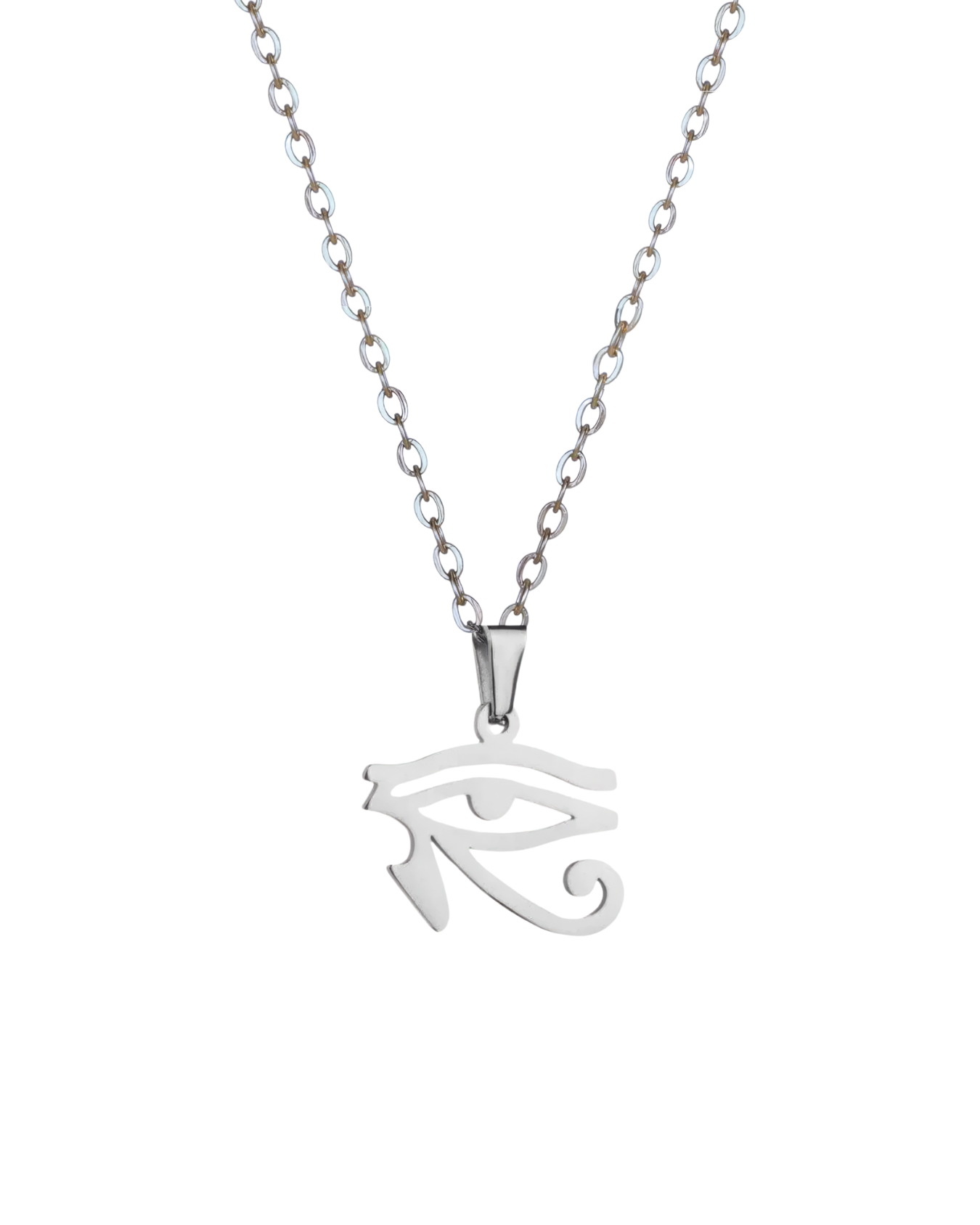
Once considered folk artifacts, evil eye amulets have now found their place in high fashion and fine jewelry. Designers across the world from Istanbul to Paris to Los Angeles have incorporated this symbol into bracelets, rings, earrings, and pendants, reinventing it with precious stones, enamel, and minimalist aesthetics.
The modern appeal of evil eye jewelry lies in its duality: aesthetic simplicity paired with symbolic richness. A delicate eye pendant can be subtle, elegant, and deeply meaningful a personal talisman worn close to the skin. Often crafted in shades of deep blue, gold, and white, these pieces resonate not only visually, but spiritually.
In the world of Kelyoz, the evil eye becomes more than a cultural reference it becomes a statement of inner strength, a declaration of protection without fear, and a timeless design that transcends trends. By blending ancestral symbolism with refined materials, such jewelry becomes both armor and art.
Why the evil eye still resonates today

Despite its ancient roots, the evil eye has never felt more relevant. In an age defined by visibility, comparison, and exposure especially on social media many people feel vulnerable to judgment, jealousy, or negativity. Wearing an evil eye is not about superstition alone; it's about claiming space for energetic sovereignty.
This symbol provides a quiet sense of security in uncertain times. It aligns with contemporary movements toward wellness, mindfulness, and intention-setting. It is also deeply inclusive transcending cultures, genders, and ages. Whether worn for spiritual reasons or aesthetic beauty, the evil eye speaks a universal language: one of care, awareness, and quiet resistance.
Embrace timeless protection
From its ancient roots in Mesopotamia, Greece, and beyond to its reinvention in modern design, the evil eye has proven itself as a timeless talisman of spiritual defense. By reflecting negativity back to its source and reminding us to remain mindful of the energies we exchange, this symbol transcends language and culture. Whether fashioned into a delicate pendant or a bold statement ring, each piece embodies centuries of belief in unseen protection.
Ready to carry this legacy of protection into your daily life? Ward off negativity in style with our protective jewelry collection. If you’re drawn to the timeless power of the evil eye, discover how Kelyoz channels this ancient energy in our Guardian Eye Bracelet. Crafted with deep blue enamel and polished silver, this piece reflects bad intent and celebrates mindful awareness. Visit our shop to explore more designs that blend spiritual heritage with modern elegance, and invite a constant shield of calm confidence into every moment. Embrace your personal guardian and wear your wisdom close to the heart, always.
Conclusion
The evil eye has journeyed from ancient superstition to modern sophistication, remaining one of the world’s most potent symbols of protection. Rooted in collective human experience of envy, vulnerability, and spiritual defense it reminds us that beauty can shield, that design can carry intention. Whether worn as a subtle amulet or a bold statement, evil eye jewelry allows us to carry centuries of meaning in a single glance. In a world that moves quickly, it invites us to slow down, protect what matters, and wear our wisdom with grace.
FAQ
Is the evil eye a religious or spiritual belief?
The evil eye is more of a cultural and spiritual concept than a formal religious doctrine. However, it appears in several religious contexts, including Islamic, Jewish, Hindu, and Christian traditions, where it is seen as a force that requires vigilance and protection.
How does the evil eye differ across cultures?
While the basic idea of protection from envy or harm is shared, each culture expresses it differently. In Greece and Turkey, it's often a blue glass bead; in the Middle East, it might be paired with phrases or prayers; in Latin America, it can be linked to spiritual cleansing rituals. The variations reflect local beliefs while reinforcing a shared global theme.
Is the evil eye always worn as jewelry?
Not necessarily. While it is commonly worn as bracelets, necklaces, or rings, it can also appear in home décor, car ornaments, children’s clothing, or even tattoos. The symbol is adaptable, allowing people to incorporate it into their lives in many forms.