What is the meaning behind mythological jewelry ?
Wearing a piece of mythological jewelry is like carrying a story on your skin, not just a tale of gods and heroes, but a personal reflection of what you believe, seek, and protect. These symbols, drawn from ancient myths, still speak in a language of emotion and identity. They whisper of power, shield against harm, and quietly reveal who we are, or wish to become. This article explores how mythological motifs from serpents to goddesses transform jewelry into meaning made visible.
The Legacy of myth in adornment

Across history, mythology has shaped not only how we tell stories, but how we decorate ourselves. Ancient cultures carved gods into rings, wore talismans to channel divine favor, and adorned their bodies with creatures of legend. These objects were not merely beautiful they were sacred, symbolic, and protective.
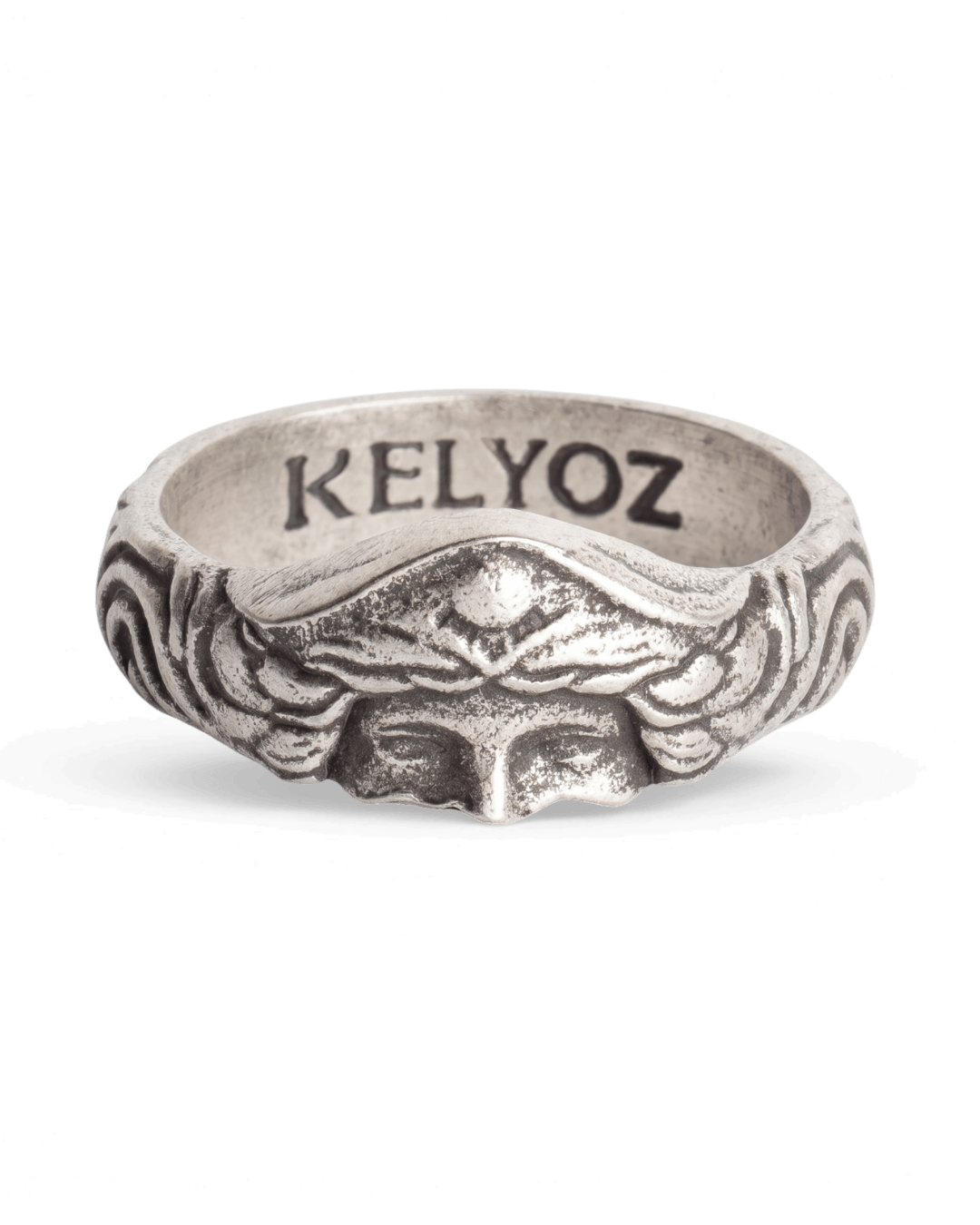
In ancient Greece, warriors wore Athena’s image to invoke wisdom and strategy. In Egypt, amulets of Horus or Anubis were worn for protection in life and death. In the East, dragons curled around wrists as signs of authority and cosmic force. Jewelry was a ritual, a rite, a shield and often, an invitation to the sacred. Today, mythological jewelry continues this lineage. Though modern in form, the meaning remains timeless: to wear a myth is to wear something eternal.
More than decoration: Jewelry as personal myth
While fashion trends may come and go, symbolic jewelry endures because it carries something deeper than aesthetics. These pieces are chosen not just for how they look, but for what they represent strength, rebirth, protection, sensuality, clarity, or defiance.
The meaning behind a Medusa pendant or a phoenix ring is rarely accidental. It is an intimate choice a quiet signal to the world, and a reminder to oneself. Whether honoring resilience through serpent imagery or celebrating the divine feminine with a goddess medallion, each wearer reclaims and reshapes the myth for their own story.
Mythological jewelry becomes a form of living art: history layered with intention, shaped into something personal and enduring.
Common symbolic themes in mythological jewelry
Myth-inspired jewelry is rich in universal themes that cross cultures, time periods, and belief systems. Below, we explore three of the most powerful and recurring symbolic dimensions: power, protection, and identity.
Symbols of power
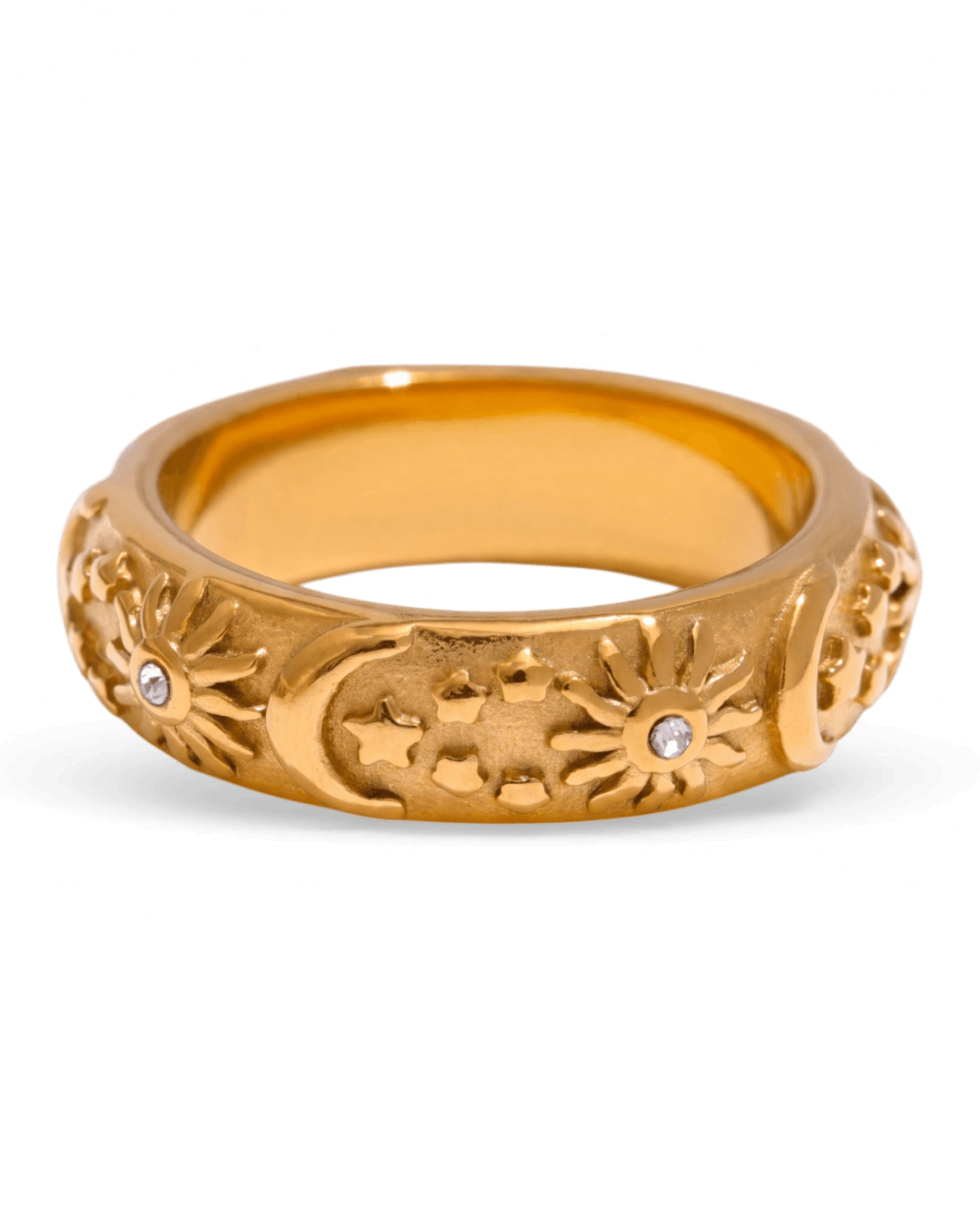
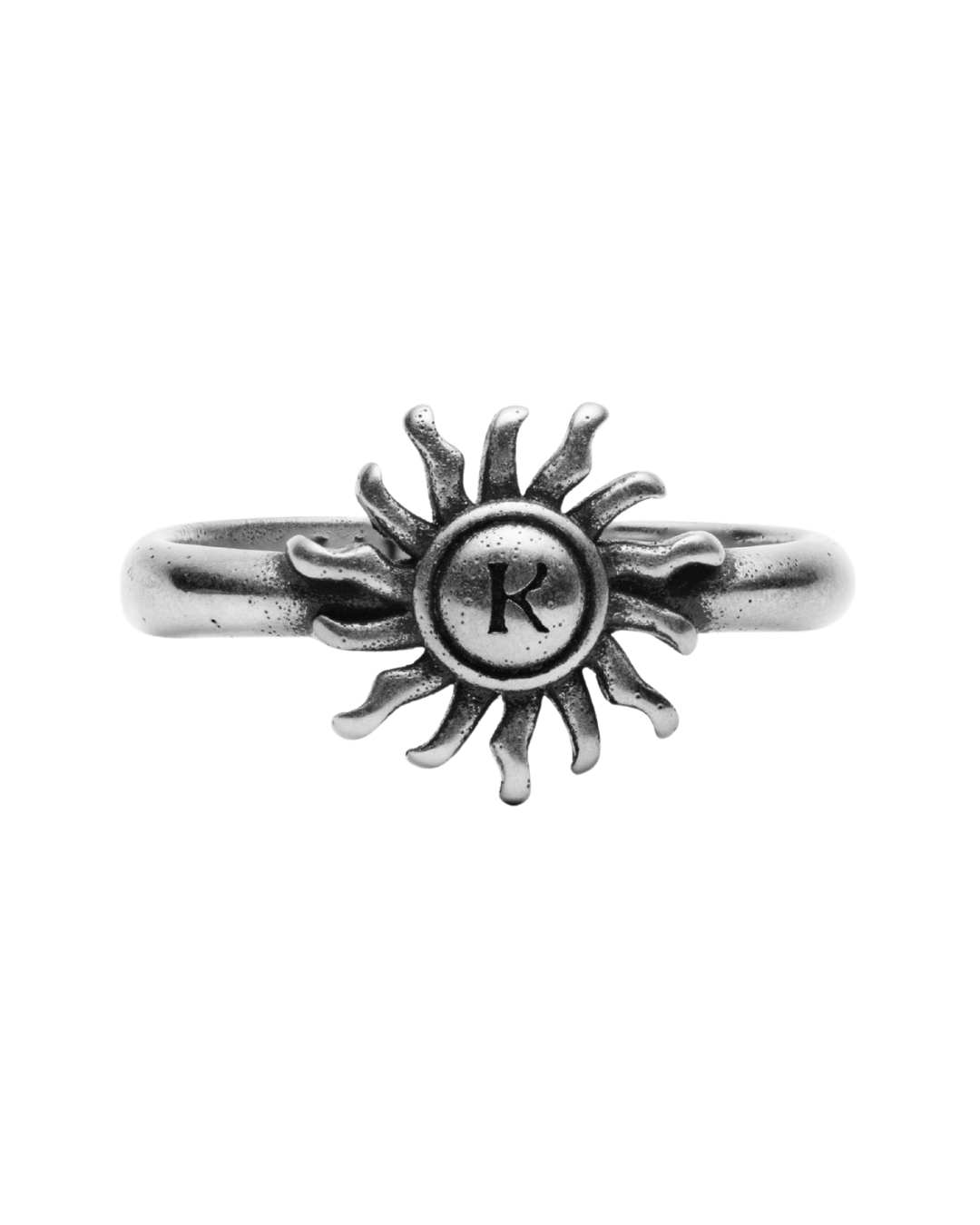
Jewelry has long been a medium for declaring power both inner and external. Mythological symbols like thunderbolts (Zeus), lions, dragons, and sun motifs express dominance, courage, and leadership. These motifs are worn to amplify confidence, invoke ancestral strength, or affirm personal sovereignty. Power, in this sense, is not only force it is presence.
Symbols of protection
From the Evil Eye to the Eye of Horus, symbols of protection are among the most widespread in mythological jewelry. They create a barrier between the wearer and misfortune a form of spiritual armor. Serpents (as in the ouroboros), shields, Hamsa hands, and sacred animals are used as guardians. When worn, these pieces are both amulet and ally discreet defenders of energy and peace.
Symbols of identity and transformation
Myth is a mirror. Wearing mythological symbols allows us to express identity, not as a fixed label, but as an evolving journey. Phoenixes for those rising from ashes. Wings for seekers of freedom. Moons for those in tune with cycles. Goddesses for those reclaiming feminine power. Jewelry becomes a way to say: “This is who I am, who I’ve been, and who I am becoming.”
Why Mythological Jewelry endures in contemporary design
In a world saturated with fast fashion and digital distraction, mythological jewelry offers something rare : meaning that lasts. Designers are increasingly turning to myth not only as aesthetic inspiration, but as philosophical foundation. Each piece becomes a miniature myth, retold through design sleek, sacred, and personal.
Moreover, the rise of intentional adornment choosing what to wear based on feeling, memory, or spirituality has brought new relevance to these ancient symbols. Jewelry is no longer only an accessory; it is an extension of the self. Wearing a mythological piece becomes a ritual of connection: to history, to spirit, and to one’s own unfolding story.
Carry ancient myths into your story

Mythological jewelry transforms timeless symbols serpents of rebirth, guardian deities, and legendary creatures into personal talismans that speak of strength, protection, and identity. Each piece bridges past and present, allowing you to wear a narrative that resonates with your own journey and honors traditions that have shaped human imagination for millennia.
If all of this symbolism speaks to you and you’re ready to integrate myth into your everyday style, explore our collection and discover handcrafted jewelry inspired by ancient legends. Visit our shop to find the piece that resonates with your spirit and carry your story forward with timeless elegance.
Conclusion
Mythological jewelry is not about nostalgia, it's about presence. It brings ancient stories into modern life, wrapping meaning in metal, emotion in form. When you wear such a piece, you carry more than design. You carry myth, memory, magic. It is art with a heartbeat a sacred object that speaks not only of gods and monsters, but of you.
Through its symbols, mythological jewelry becomes a compass. It protects, empowers, and reminds. And in doing so, it transforms not just the wearer, but the everyday act of wearing itself into something radiant, resonant, and eternal.