The meaning of masks in different cultures: from rituals to modern fashion
From the tribal ceremonies of Africa to the grand masquerade balls of Venice, masks have always occupied a powerful place in human culture. More than mere objects, they serve as portals bridging the visible and invisible, the personal and the collective. Whether used in sacred rituals, theatrical performances, or fashion statements, masks reflect complex ideas of identity, transformation, power, and secrecy. In this article, we explore the evolution of masks across cultures, and how they continue to inspire contemporary jewelry and artistic expression, notably in collections such as Kelyoz’s HANNYA series.
Masks Across Civilizations: From sacred to symbolic

Masks are among the oldest forms of human artistic and spiritual expression. In African traditions, they are not just decorative they are sacred tools used to communicate with ancestors, embody spirits, and enforce societal values. The Dogon and Yoruba people, for example, use masks in ceremonies to invoke deities or natural forces. Often made of wood, bronze, or fabric, these masks carry deep cosmological significance, with every shape, color, and symbol representing a story or divine connection.
In Japan, the Noh theater and the iconic Hannya mask represent emotional states and moral complexity. A Hannya mask, with its horns and tortured expression, embodies a woman consumed by jealousy and sorrow yet still human. These masks are not merely props but emotional vessels, requiring the actor’s body to bring them to life.
In Venice, masks were used during Carnival to blur the lines of class, status, and morality. They allowed wearers to act freely, indulge, and escape social constraints. Made with intricate lace, gold leaf, and feathers, Venetian masks became a symbol of luxury and decadence, still influencing haute couture today.
Indigenous American cultures also used masks in shamanic rituals to connect with animal spirits or tell origin stories. These masks weren’t meant to conceal, but to reveal offering a spiritual lens through which the world could be interpreted.
Across these civilizations, masks transcend function. They are artifacts of belief, emotion, and power a testament to humanity’s enduring fascination with transformation and mystery.
What do masks symbolize?
Masks have long held deep symbolic meaning across cultures and time. More than simple objects, they serve as powerful tools for expression, transformation, and protection.
Protection
One of the most universal roles of masks is protection both physical and spiritual. In many tribal traditions, masks are worn to ward off evil spirits or to safeguard individuals during rites of passage. They often serve as a shield in times of illness or conflict, acting as a barrier between the vulnerable human body and unseen threats. In this way, masks symbolize a crossing point between fear and strength, mortality and resistance.
Power
Masks also carry the weight of power and transformation. In royal courts, religious ceremonies, and initiation rituals, they are used to assert authority or invoke the divine. When someone puts on a ceremonial mask, they cease to be just themselves they embody a higher force. A chief might channel the spirit of a lion or a thunder god, temporarily stepping into a role that surpasses ordinary human limits. The mask becomes a vessel of myth, strength, and leadership.
Identity
Perhaps the most compelling function of the mask is its relationship to identity. Masks allow us to adopt new roles or reveal parts of ourselves that usually remain hidden. In ancient Greek theater or Japanese Noh performances, the mask serves both as a disguise and a revelation it conceals the actor’s face while expressing universal human emotions. In masquerade balls or contemporary fashion, masks become playful or provocative, challenging norms and prompting self-reflection.
Let masks shape your modern expression

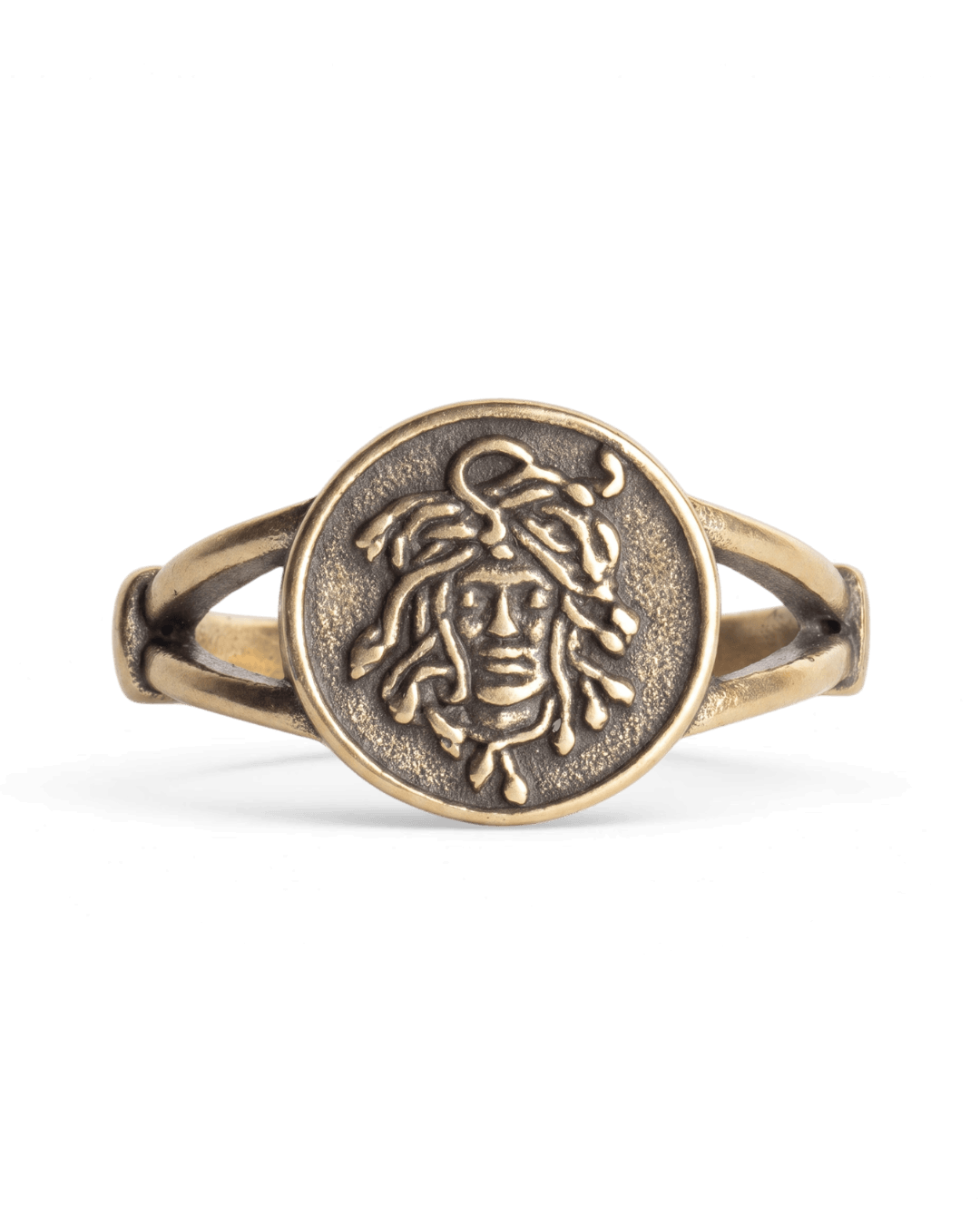
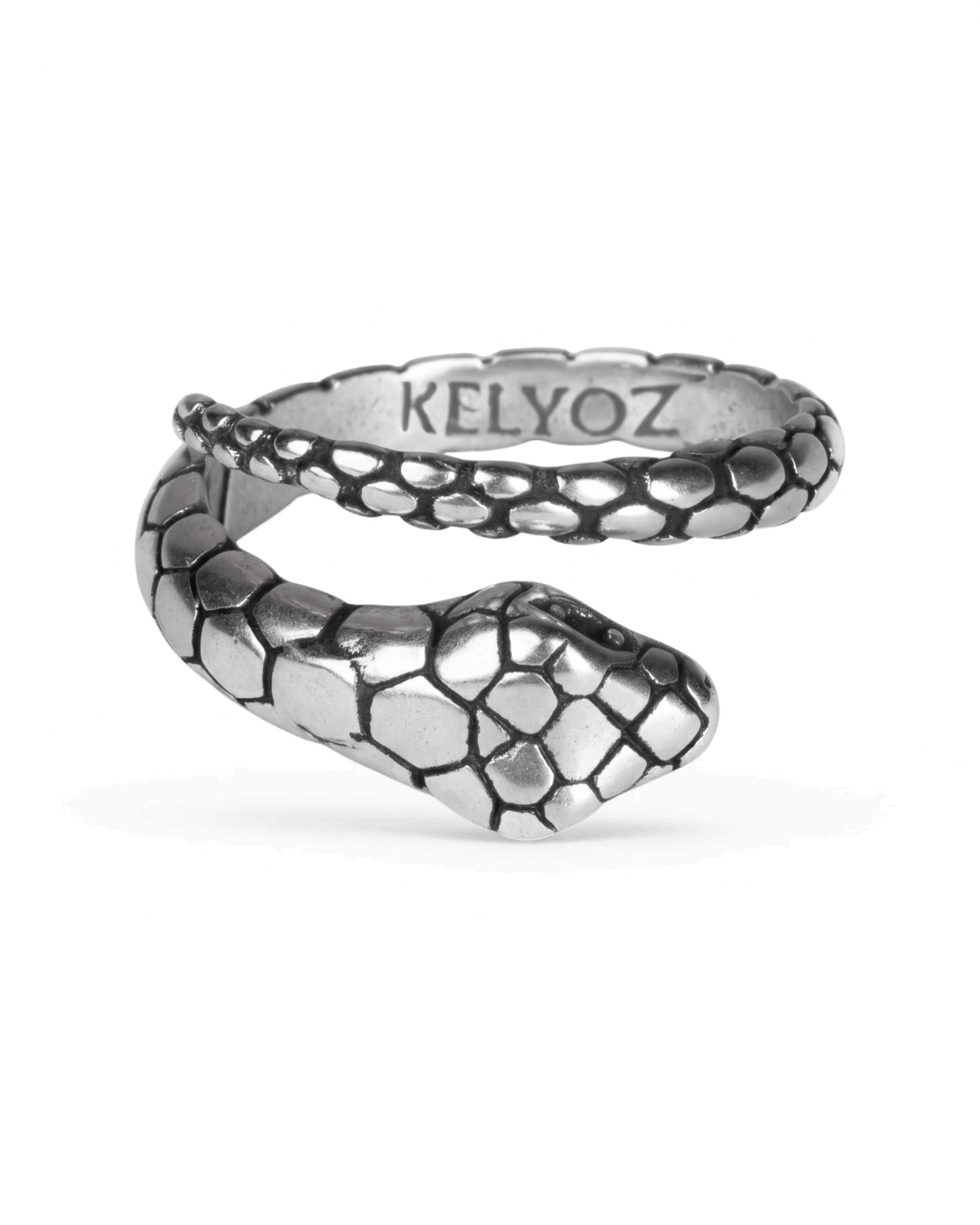
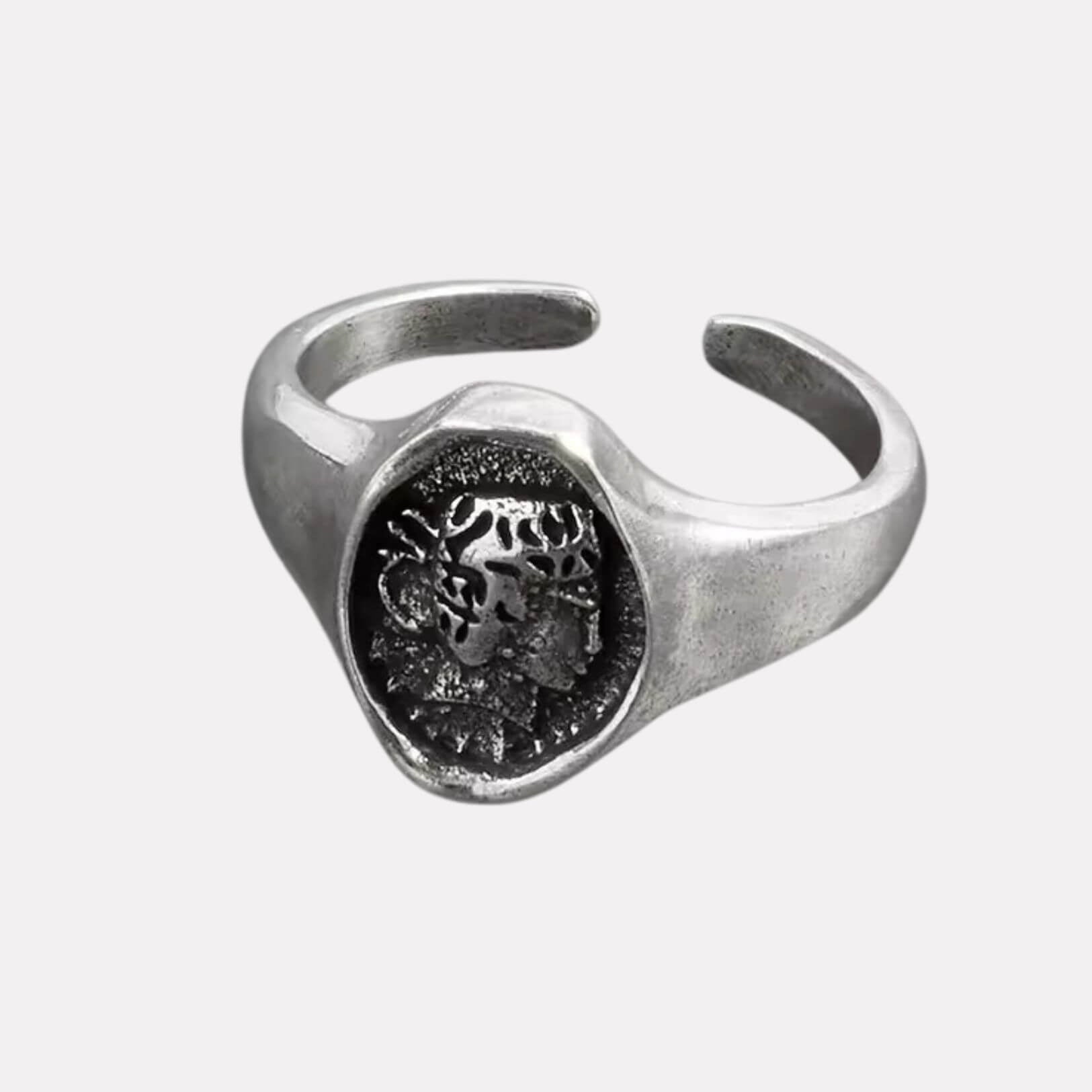
Across rituals and art forms whether carved in African wood, cast in Japanese bronze, or gilded for Venetian Carnival masks have long bridged the inner self and the outer world. When translated into jewelry, these motifs become intimate talismans of transformation, protection, and power. Wearing a mask-inspired piece invites you to explore hidden facets of identity, to reveal and conceal in equal measure, and to carry a potent symbol of mystery and ritual wherever you go.
To experience this fusion of ancestral significance and contemporary design, discover the mystery and symbolism behind our hannya jewelry collection. Each handcrafted pendant, earring, and ring channels the emotional depth of the Hannya mask its haunting gaze, its duality of beauty and torment turning your adornment into a statement of intrigue and cultural resonance.
Conclusion
Masks have journeyed from sacred ritual objects and theatrical vessels to symbols of personal transformation and modern adornment. Across Africa, Japan, Venice, and beyond, they have bridged the visible and invisible, allowing wearers to adopt new personas, invoke protection, or reveal hidden truths. Today, mask-inspired jewelry carries this legacy forward: each pendant, earring, or ring becomes a miniature portalan intimate talisman that honors ancestral meaning while inviting contemporary expression.
FAQ
What universal roles have masks played across cultures ?
Masks commonly serve three primary functions: spiritual or physical protection (warding off evil or harm), the embodiment of power or authority (transforming the wearer into a mythic force), and the exploration of identity (allowing concealment, revelation, or transformation).
How do Hannya masks differ from other ceremonial masks ?
Originating in Japanese Noh theater, the Hannya mask represents a woman consumed by jealousy and sorrow. Unlike many masks that conceal emotion, the Hannya’s fixed, tortured expression channels complex inner turmoil, making it both a dramatic theatrical prop and a potent symbol of passion and pain.
Wear the myth